NASA asks US companies for commercial space station proposals to follow the ISS
NASA has released its final request for proposals for privately built stations in low Earth orbit. Bids are due on 8 December, and the agency plans to pick two or more companies for early development.
Key points
- 1NASA released its final Request for Proposals for commercial space stations in low Earth orbit to follow the International Space Station.
- 2Proposals are due on 8 December; NASA expects contract awards in spring 2027 and plans to select two or more companies for early development.
- 3According to Ars Technica, Phase 1 winners are guaranteed at least $100 million, and later phases of the contract are expected to be worth billions.
- 4NASA offers to provide crew transport for its first four service missions, so bidders do not need a signed deal with a transport provider.
- 5Ars Technica expects Axiom Space, Voyager Space and Vast Space to bid; it says SpaceX appears unlikely to bid, at least for now.
Full story
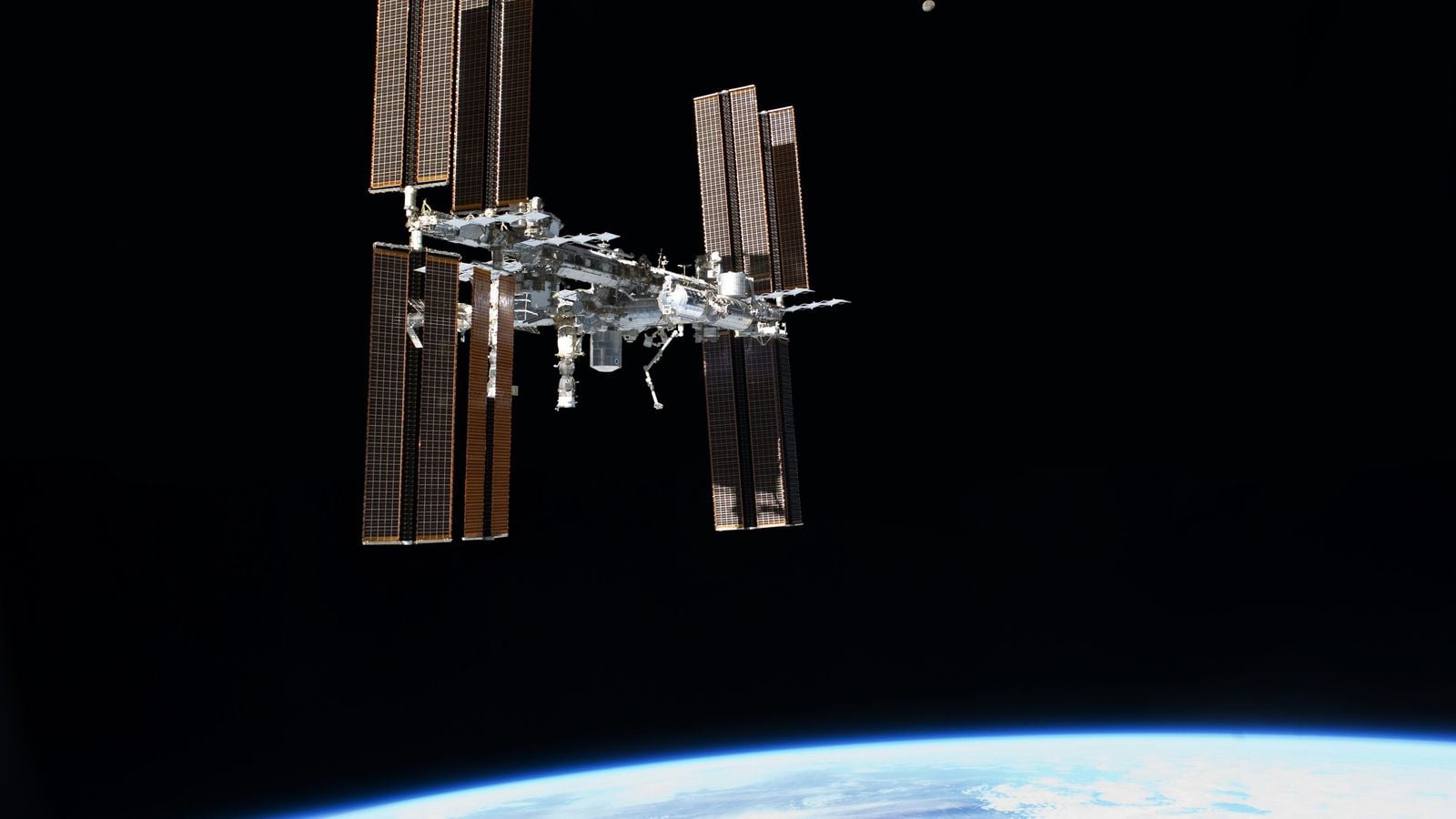
On Friday NASA published its final Request for Proposals for the next generation of commercial space stations in low Earth orbit. The agency is asking companies to design, build, test, certify and run orbital destinations that can offer NASA a complete package of station and transport services for human spaceflight. According to Ars Technica, the request runs to 360 pages, and the private stations could take over from the International Space Station as early as 2030.
NASA Administrator Jared Isaacman framed the request as a long-term commitment: “We’ve made it clear that NASA will never give up its presence in low Earth orbit”. He argued that the agency will still need somewhere in orbit for research, technology development, crew training and preparation for Moon and Mars missions, and that commercial stations may meet that need while letting NASA put more of its resources elsewhere. He also said NASA wants credible plans and companies willing to invest and find customers of their own: “The opportunity is significant, but the economics ultimately have to work”.
NASA says the final request follows months of talks with industry after its Ignition event earlier this year, including two Requests for Information in March on orbital destinations and transport, a draft Request for Proposals in July, an industry day and one-on-one meetings with interested companies. Proposals are due on 8 December. NASA expects to award contracts in spring 2027; Ars Technica reports that the agency intends to make a final decision in April.
The agency plans firm-fixed-price, indefinite-delivery/indefinite-quantity contracts with multiple awards covering development, certification and services. It would first select two or more companies for early development and later hold a competitive task order for final design, testing, evaluation, certification and services from one or more of them. Ars Technica reports that Phase 1 winners are guaranteed at least $100 million, that Phase 2, starting next year, would pay for station development and certification, and that Phase 3 would purchase at least four NASA astronaut missions to the commercial stations.
Crew transport was one of the most closely watched parts of the request, Ars Technica writes. SpaceX runs the only operational US vehicle for these flights, has said it plans to retire Crew Dragon and has not offered seats to private station operators; two weeks ago NASA added $359 million for Boeing’s work to certify Starliner. Under the new request, bidders need no signed contract or letter of intent with a transport provider, and NASA offers to provide transport for its first four service missions to the stations. NASA’s own price estimates for 2030, Ars Technica reports, are $325 million for a crew flight with four seats and $300 million for a cargo flight. Ars Technica expects bids from Axiom Space, Voyager Space and Vast Space. Marshall Smith, chief executive of Voyager’s Starlab station, called the release “an important milestone”, Axiom Space said it is reviewing the request, and Vast said it is in final integration of Haven-1.
Why it matters
According to Ars Technica, the International Space Station is to be deorbited in 2030 or 2032, and NASA says it wants a sustained American presence in low Earth orbit after that. The request sets out how NASA plans to rely on stations that companies design, build and operate. It also tackles crew transport, an open question because SpaceX plans to retire Crew Dragon and Boeing is still working to certify Starliner. Whether the stations can attract enough customers beyond NASA remains open; Isaacman himself says the economics have to work.
Timeline
· Published
Topics#NASA#Space stations#Low Earth orbit#International Space Station#Commercial space
Sources
This story draws on the following sources. Read them for full context.