Volvo plans automated driving for future cars built on Nvidia Hyperion, Halos and Alpamayo
Volvo Cars says a next-generation model will introduce supervised point-to-point driving on Nvidia hardware and software, with eyes-off functions planned later and a launch targeted before the end of the decade.
Key points
- 1Future Volvo cars are to run on Nvidia's Hyperion computing and sensor platform, the Halos OS safety layer and Alpamayo software.
- 2The first version is planned as supervised driving, Technology.org reports; the companies said eyes-off and mind-off functions will be added gradually.
- 3The system will debut in an unnamed next-generation Volvo; Volvo's software engineering head said launch would come before the end of the decade.
- 4The Verge reports a Level 2++ system without lidar at first, following Volvo setbacks with Ride Pilot and lidar supplier Luminar.
- 5Technology.org reports a launch in several regions excluding China, and availability not limited to expensive or battery-electric models.
Full story
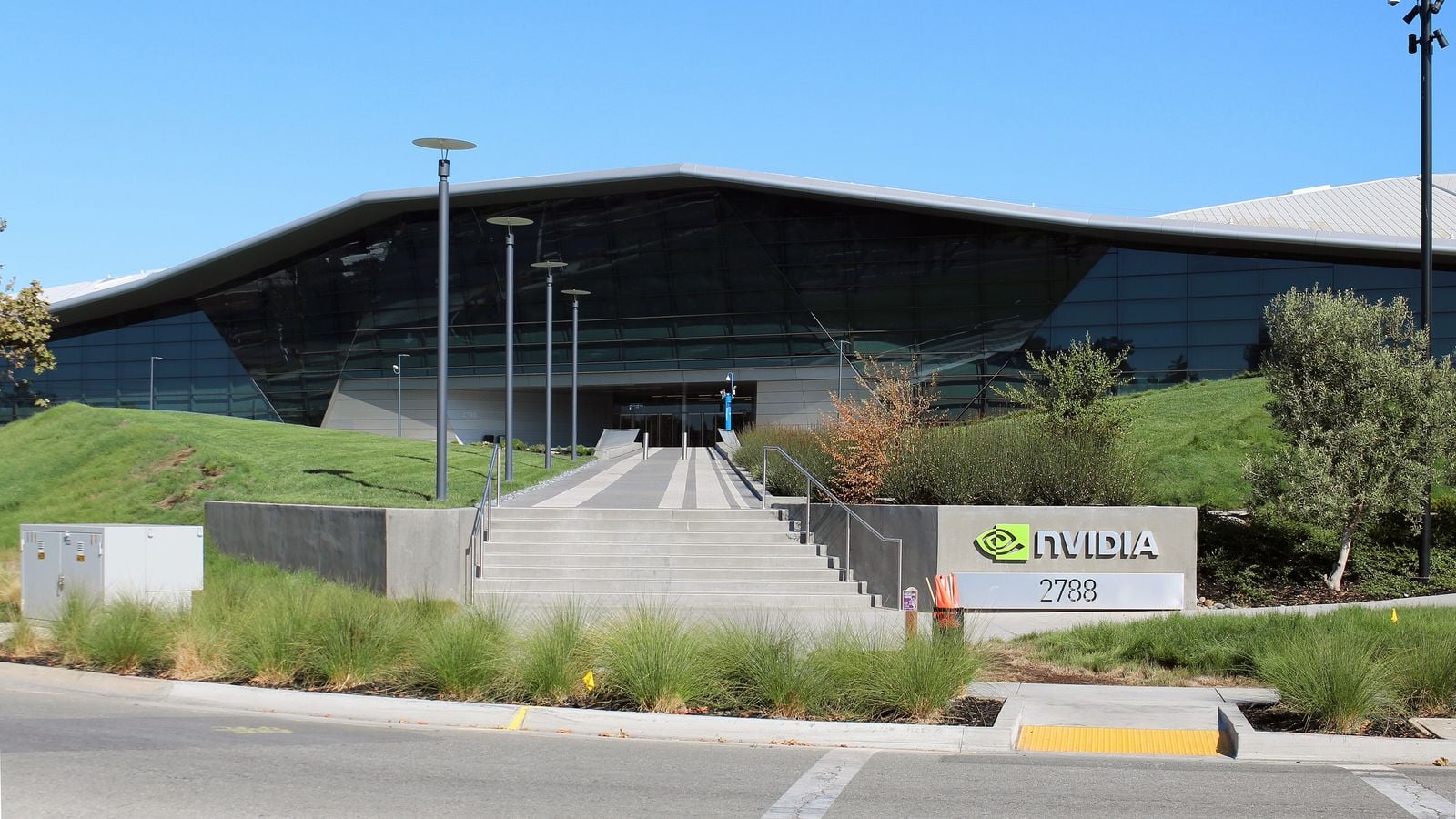
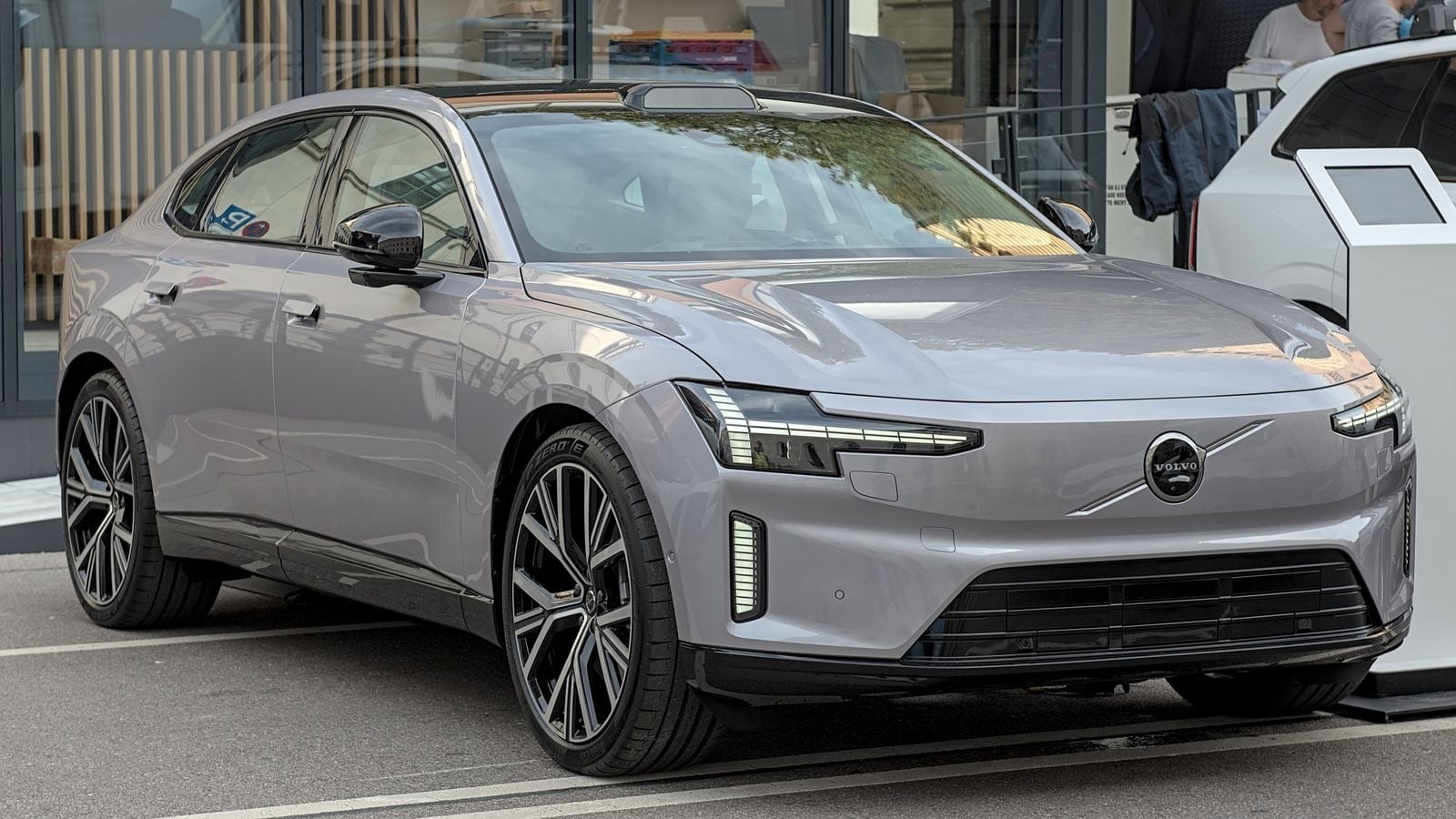
Volvo Cars announced on October 15 that it is widening its long-running partnership with Nvidia to develop automated driving for its future vehicles. According to the announcement, Volvo will pair its own vehicle safety systems and engineering with three Nvidia components: the Hyperion sensor and compute architecture, the Halos OS safety layer and the Alpamayo driving software. The companies said the technology is intended to let cars handle trips from door to door, covering highways, crowded city streets and parking. No vehicle with the system is on sale yet.
The system is set to debut in an unnamed next-generation Volvo that belongs to what the carmaker describes as its largest-ever product push. According to Technology.org, the first version will offer supervised driving, meaning the driver stays responsible for the car, and Volvo intends to add hands-free operation in cities and on highways in stages before 2030. Volvo and Nvidia say eyes-off and mind-off driving will be phased in over time. Alwin Bakkenes, who heads software engineering at Volvo Cars, told The Verge only that the launch would come "before the end of the decade", and the company has named neither the first model nor a date.
The Verge reported that Volvo classifies the point-to-point system as Level 2++, which the outlet said means it can manage traffic signals, stop signs and unprotected left turns without the driver explicitly in control, and compared it with Tesla's Full Self-Driving (Supervised). Ali Kani, who leads Nvidia's automotive business, told the publication it would also resemble the Nvidia-powered system Mercedes-Benz recently introduced on the new CLA. According to The Verge, the initial setup will not use lidar, although Volvo could add the sensor later. Volvo also plans to contribute its driver-understanding systems and connected safety technology that lets vehicles share hazard information such as roadworks, the outlet reported.
The Verge presented the deal as an effort to recover from earlier setbacks. It reported that Volvo effectively sidelined its Ride Pilot Level 3 unsupervised system in the US after failing to win regulatory approval, and that a plan to fit lidar to some models was dropped after its supplier Luminar went bankrupt. Technology.org reported that Volvo will launch the features in several regions at once but not in China, even though the carmaker is majority-owned by China's Geely. A pricing model has not been chosen, but Bakkenes said the features will not be reserved for expensive cars, and the system will also extend beyond Volvo's battery-electric range, according to that outlet.
In the announcement, Volvo chief executive Håkan Samuelsson said the combination of safety knowledge and AI technology offers a chance to build "safer and more attractive cars". Nvidia founder and CEO Jensen Huang said the partners aim to build cars that make driving "safer and more effortless". Kani was quoted by Technology.org as saying Nvidia believes working with Volvo will make its stack safer, and told The Verge that point-to-point driving may prove more commercially valuable than assistance limited to highways. The companies have collaborated since 2017. The safety and capability goals described so far are company statements about a system that has not yet shipped.
Why it matters
The deal extends Nvidia's role as a supplier of automated driving stacks to carmakers and, according to The Verge, gives Volvo a new path after earlier automation plans stalled. Whether the system lives up to the companies' safety claims will only become clear once it reaches customers.
Timeline
· Published
Topics#Volvo Cars#Nvidia#automated driving#driver assistance#Hyperion#automotive AI
Sources
This story draws on the following sources. Read them for full context.
- 1NVIDIA Newsroom · Official statementVolvo Cars and NVIDIA Expand Partnership to Advance Safe Automated Drivingnvidianews.nvidia.com
- 2The Verge · News reportVolvo will use Nvidia's tech for hands-free, point-to-point drivingwww.theverge.com
- 3Technology.org · News reportVolvo Cars Expands Nvidia Partnership for Hands-Free Automated Drivingwww.technology.org