Ohio State study: engineered crystal defects strengthen two alloys without altering their chemistry
Researchers deformed and then slowly aged two cobalt-based alloys to create dense networks of atomically thin defects, which they say raised strength and creep resistance at high temperature.
Key points
- 1Study published in Science by Ohio State researchers with collaborators in Erlangen-Nuremberg and at Lawrence Livermore National Laboratory.
- 2Two-step process: deform the crystals, then slowly age them with heat, creating dense networks of atomically thin ordered defects.
- 3Tested on two cobalt-based alloys (one with nickel, one with chromium and tungsten); chemical composition was not changed.
- 4Release reports higher stress tolerance and better resistance to high-temperature creep, traced to atomic arrangement around the defects.
- 5Possible future uses named: turbine engines and power plant machinery; no industrial application is demonstrated.
Full story
A team led by researchers at The Ohio State University reports that deliberately introduced crystal defects, arranged into dense ordered networks, made two metal alloys stronger while leaving their chemical composition unchanged. The peer-reviewed study was published in Science this week, according to a university news release. Co-authors come from the University of Erlangen-Nuremberg in Germany and Lawrence Livermore National Laboratory in California.
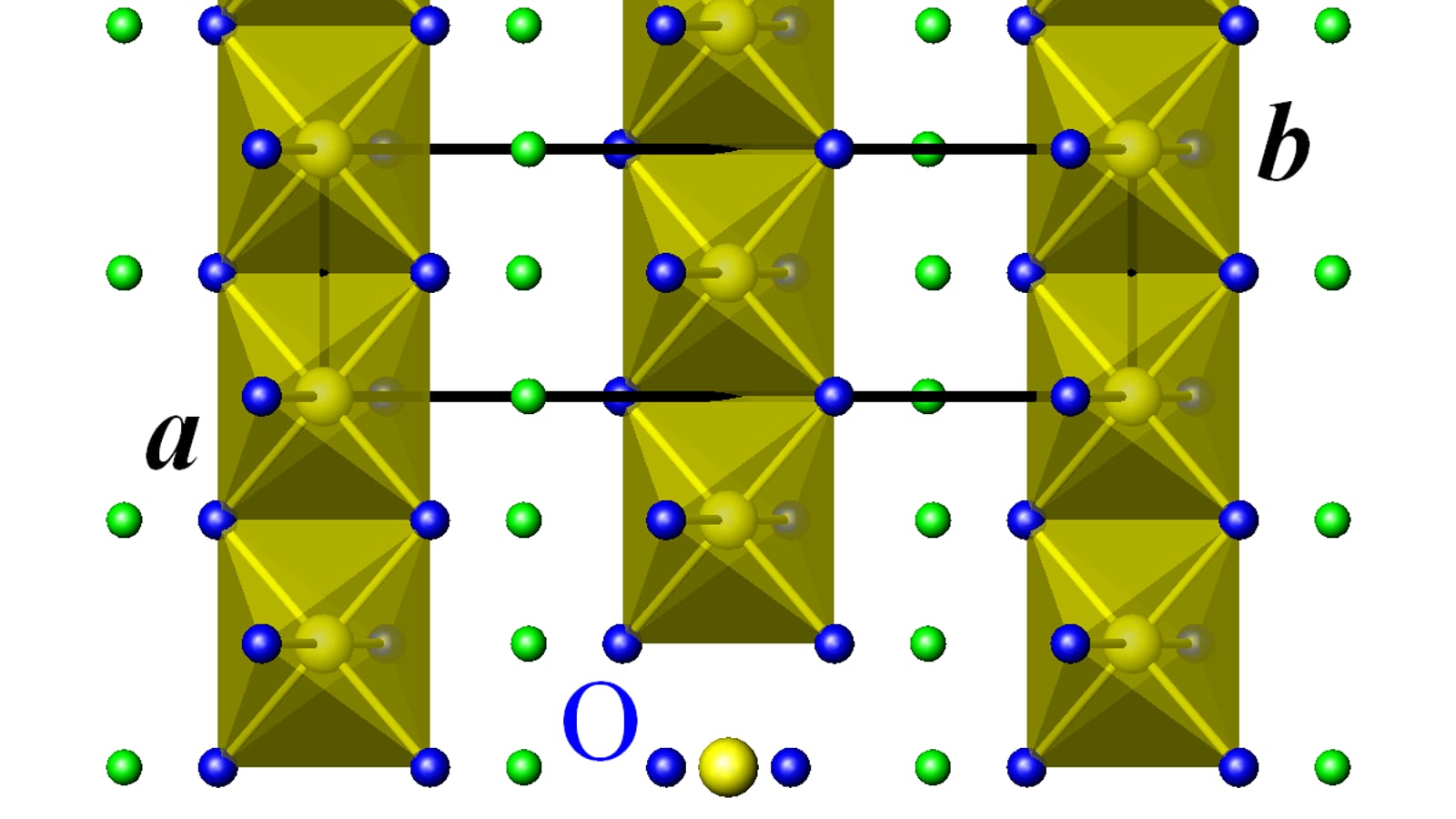
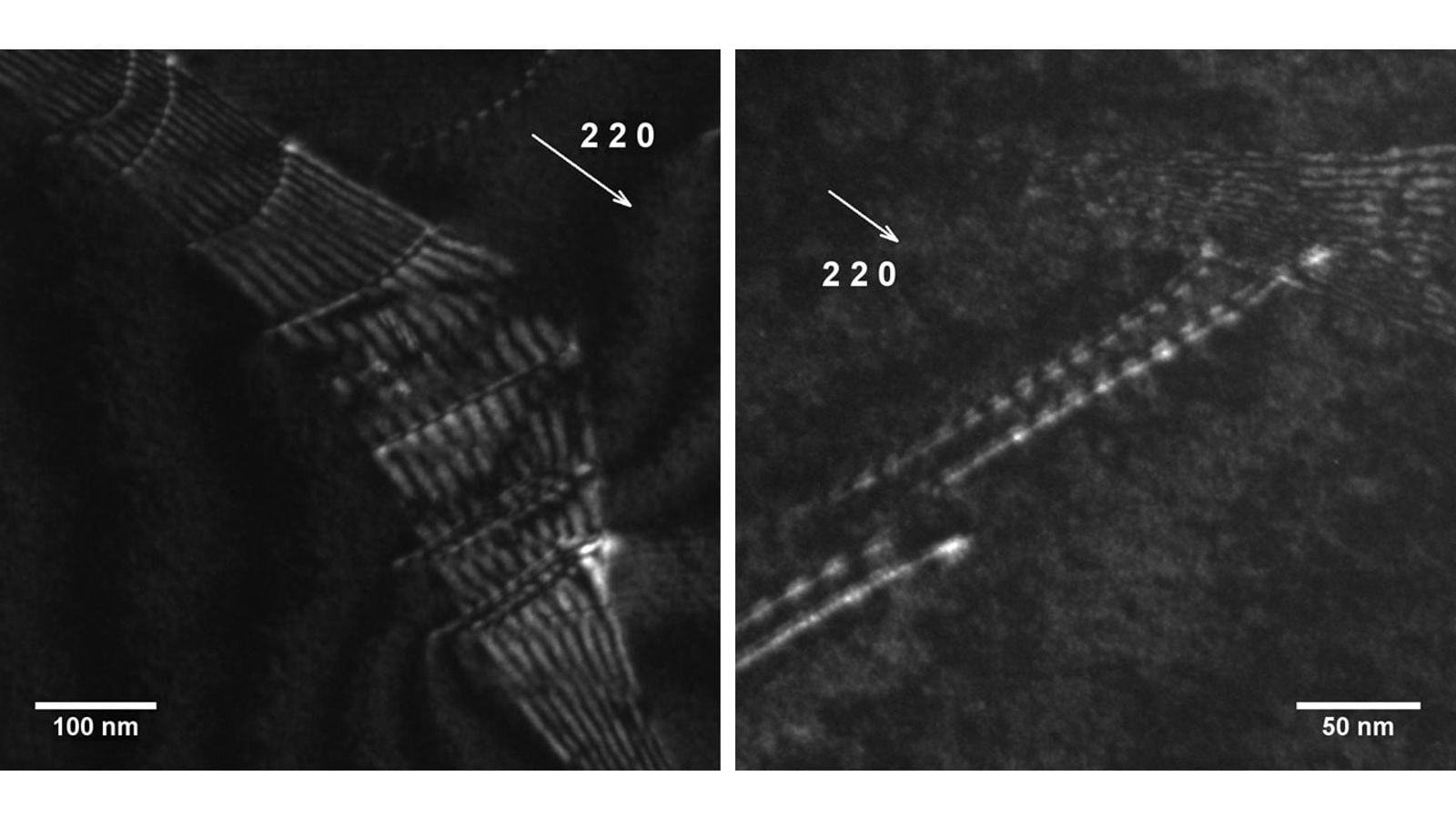
The method has two steps. The researchers first deformed the crystals of two cobalt-based materials, a nickel-containing superalloy and a chromium-tungsten alloy, and then aged the material slowly with heat. The release says this produced dense, atomically thin features inside the structure. The paper's title, as cited by TechXplore, describes these as ordered two-dimensional defect phases. Using transmission electron microscopy together with computer simulations, the team linked the gain in strength to the way atoms were arranged around these defects, and the release says changing that arrangement could influence the material's strength.
According to the release, the process markedly raised both the stress the metals could bear and their resistance to slow deformation, or creep, at high temperatures. Lead author Andreas Bezold, an adjunct assistant professor of materials science and engineering at Ohio State, said the results suggest a layer of engineered defects could complement conventional materials design. "We wanted to make these strengthening structures a deliberate part of the material's design", he said. The work builds on earlier Ohio State research showing that defects formed during deformation can become strengthening layers; the release describes the new approach as the first to introduce defect densities that fully enrich these alloys.
Co-author Michael Mills, a professor of materials science and engineering at Ohio State, said that although defects are usually associated with damage, "the right defects with the right structure and chemistry can actually make a material stronger". The release suggests the approach could eventually be used to produce high-strength alloys for equipment exposed to high temperatures, naming aircraft turbine engines and power plant machinery as examples, but frames this as a future possibility. For now, it says, the team's contribution is to broaden design principles in engineering.
The results come from a single peer-reviewed study on two specific alloys. The release does not report industrial trials, component tests or quantitative strength figures, and it gives no timeline for practical use. Funding came from the U.S. Department of Energy and the National Science Foundation, with further support from the Alexander von Humboldt Foundation and Ohio State's Center for Electron Microscopy and Analysis.
Why it matters
Alloys for turbines and power plants are usually improved by changing their chemistry. This study points to a different lever, the deliberate arrangement of defects, that works on existing compositions. It is one study on two alloys, so wider applicability and manufacturability remain to be shown, but the approach could add a design dimension for high-temperature structural materials.
Timeline
· Published
Topics#materials science#alloys#Ohio State University#crystal defects#Science journal#superalloys
Sources
This story draws on the following sources. Read them for full context.
- 1Ohio State News · Primary sourceAtomic-level structural faults can generate more durable alloys, study findsnews.osu.edu
- 2The Ohio State University College of Engineering · Official statementEnhancing hidden defects to strengthen metal materialsengineering.osu.edu
- 3TechXplore · News reportFlaws become reinforcements: Engineered crystal defects strengthen metals without changing their chemistrytechxplore.com