Google opens its SynthID Detector for AI-generated media to the public, but an account is required
Google says anyone can now check images, video and audio for its invisible SynthID watermark. According to heise, using the tool still requires a Google, Apple or ChatGPT account.
Key points
- 1Google says its SynthID Detector is now available to everyone worldwide in English, after an early version for media professionals.
- 2The tool checks images, video and audio for SynthID marks from Google and partners including OpenAI, NVIDIA and Kakao; Google says Apple will follow soon.
- 3According to heise, using the Detector requires a Google, Apple or ChatGPT account.
- 4Google says more than 180 billion images and videos and 240,000 years of audio have been watermarked since SynthID launched in 2023.
- 5heise notes that watermarks are not fully protected against manipulation or later removal.
Full story
Google is widening access to its SynthID Detector, a tool that checks whether an image, video or audio file carries the invisible SynthID watermark. In a post on Google's blog, Pushmeet Kohli, VP of Science and Strategic Initiatives at Google DeepMind, says the Detector is now open to everyone and available worldwide in English from the day of the announcement. Until now it was aimed at media professionals: Google says it introduced an early version last year, and heise reports that registered media representatives have been able to use it for some months.
According to Google, the Detector recognises content made with its own AI tools and with those of partners that also use SynthID. The company names OpenAI, NVIDIA and Kakao, and says Apple will be added soon. SynthID itself has existed since 2023: Google embeds the marks when its models generate media, and heise explains that they are meant to stay invisible to the human eye while remaining readable by machines. By Google's count, more than 180 billion images and videos and 240,000 years of audio have carried the watermark so far.
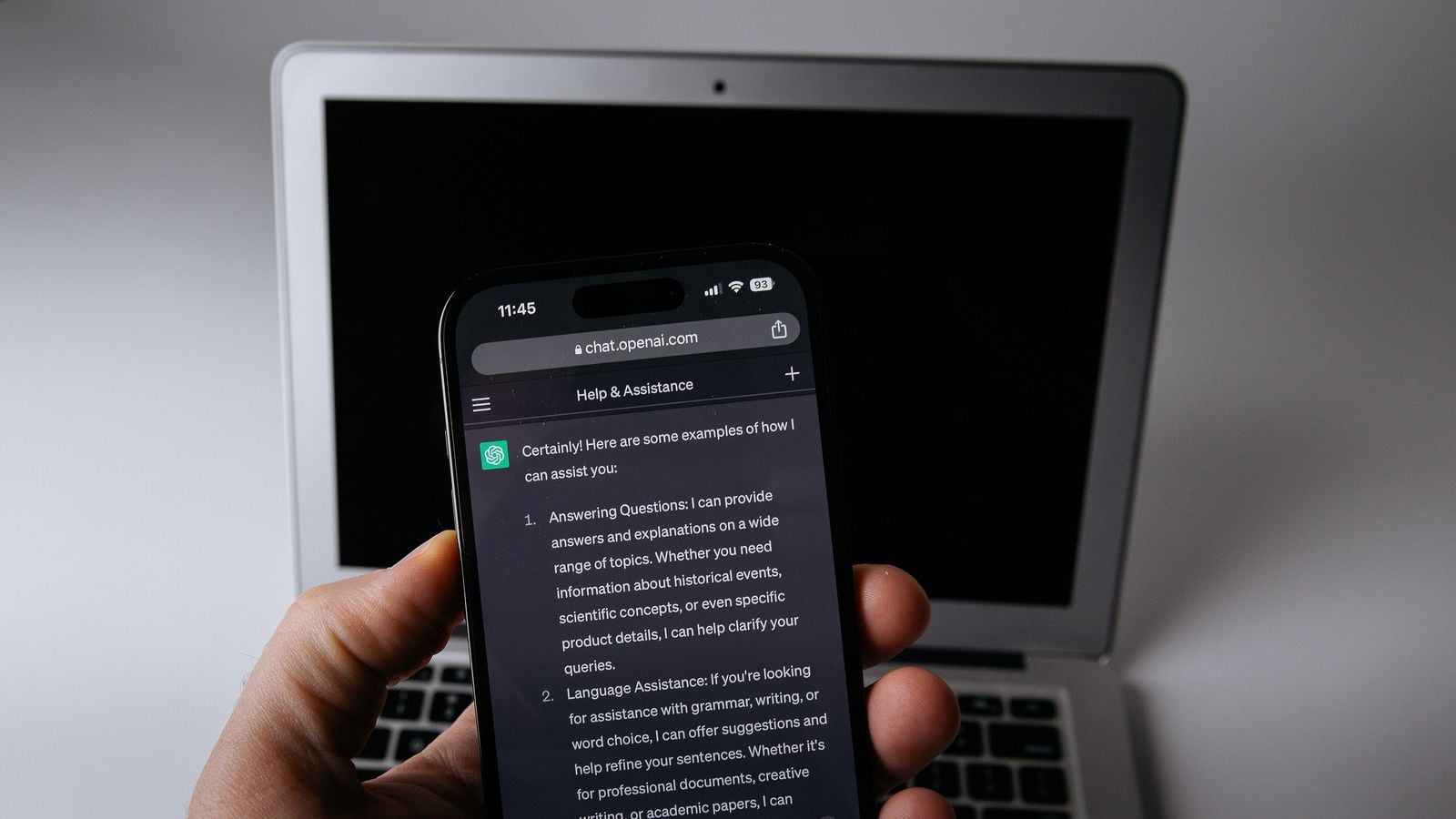
heise qualifies the claim that the tool is open to everyone. To use the portal, people need a Google, Apple or ChatGPT account, so anyone who does not want to sign up, whether for privacy or other reasons, still cannot run a check. heise says it asked Google whether this is set to change and had not received an answer at the time of its report.
The standalone Detector adds to verification functions that Google has already built into Search, the Gemini app and Chrome. Google says these features now regularly handle more than 1 million requests per day. heise adds that a number of third-party services also claim to be able to read the SynthID watermark, and that they differ in their terms of use and costs.
heise writes that watermarks are considered among the best options currently available for spotting AI content, but that they are not fully protected against manipulation or later removal. Other AI companies use similar techniques: according to heise, Anthropic gives its Claude models a text watermark, and OpenAI has recently started to add watermarks to text as well, mostly on an optional basis. In heise's view, the advantage of SynthID is that it is relatively widespread in the market.
Why it matters
Google presents the wider access as a way to give people more context about what they see online as AI tools get better and easier to use. Because the Detector looks for SynthID marks, its usefulness depends on which providers embed them; with OpenAI, NVIDIA, Kakao and, according to Google, soon Apple taking part, that reach extends beyond Google's own models. The limits are the ones heise points out: an account is still needed, and watermarks can be tampered with or stripped, so the absence of a mark should not be read as proof that a file is authentic.
Timeline
· Published
Topics#Google DeepMind#SynthID#watermarking#AI-generated content
Sources
This story draws on the following sources. Read them for full context.